Industrial Cardboard Shredder
Product Overview
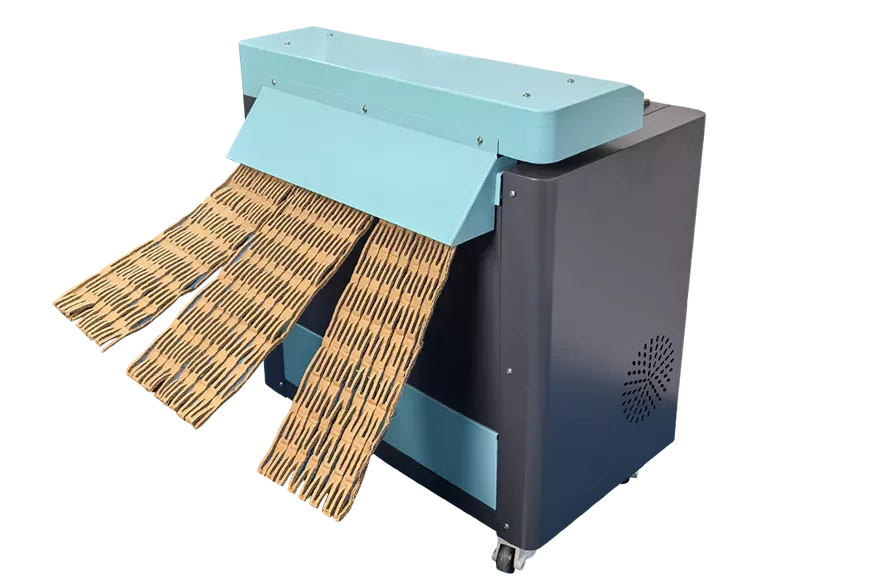
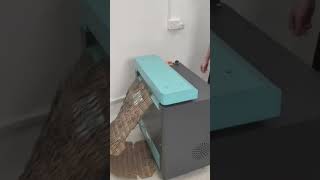
This industrial cardboard shredder has a compact body but plenty of power, built for packing stations that demand both speed and stability. Cutting speed reaches up to 18 m/min, and it handles long continuous shifts in shipping centers and production workshops. Even the bulkiest boxes turn into clean, tidy cushioning material in seconds — no jamming, no overheating.
HS Code: 8472903000

Applications
Medium and large packing stations - shred directly next to the packing table, grab as needed
E-commerce warehousing - turn waste boxes into strip filler, saving consumable costs
Manufacturing plants - basic protection for light and heavy parts
Eco-friendly packaging companies - replace plastic filler with recyclable cardboard
Batch shipping sellers - small footprint, plug-and-play, low maintenance
Product Video
Specifications
| Model | P50 |
|---|---|
| Product Name | Cardboard Shredder |
| Cutting Width | 550mm |
| Voltage/Power | 110V(1500w) / 220V(1500w) / 380V(1500w) |
| Speed | Adjustable 0~18m/min |
| Cutting Thickness | Max 15mm |
| Well-Known Brand Geared Motor | Yes |
| Net Weight | (110v) 143.5kg / (220v) 140.8kg / (380v) 140.8kg |
| Machine Dimensions | 740*461*850mm |
| Applicable Paper | 3-7 layers |
| Packaging Dimensions | 860*585*1020mm |
| Gross Weight | (110v)165kg / (220v)162kg / (380v)162kg |
| Model | P50-3 |
|---|---|
| Product Name | Cardboard Shredder |
| Cutting Width | 550mm |
| Voltage/Power | 110V(1500w) / 220V(1500w) / 380V(1500w) |
| Speed | Adjustable 0~18m/min |
| Cutting Thickness | Max 15mm |
| Well-Known Brand Geared Motor | Yes |
| Net Weight | (110v) 143.5kg / (220v) 140.8kg / (380v) 140.8kg |
| Machine Dimensions | 740*461*850mm |
| Applicable Paper | 3-7 layers |
| Packaging Dimensions | 860*585*1020mm |
| Gross Weight | (110v)165kg / (220v)162kg / (380v)162kg |
| Model | P80 |
|---|---|
| Product Name | Cardboard Shredder |
| Cutting Width | 550mm |
| Voltage/Power | 110V(2200w) / 220V(2200w) / 380V(2200w) |
| Speed | Adjustable 0~15m/min |
| Cutting Thickness | Max 20mm |
| Well-Known Brand Geared Motor | Yes |
| Net Weight | (110v)208.5kg / (220v)205kg / (380v)205kg |
| Machine Dimensions | 767*590*971mm |
| Applicable Paper | 3-7 layers |
| Packaging Dimensions | 860*585*1020mm |
| Gross Weight | (110v)233kg / (220v)230kg / (380v)230kg |
| Model | P50-X |
|---|---|
| Product Name | Cardboard Shredder |
| Cutting Width | 550mm |
| Voltage/Power | 110V(2200w) / 220V(2200w) / 380V(2200w) |
| Speed | Adjustable 0~12m/min |
| Cutting Thickness | Max 15mm |
| Well-Known Brand Geared Motor | Yes |
| Net Weight | (110v) 216kg / (220v) 212kg / (380v) 212kg |
| Machine Dimensions | 740*554*1030mm |
| Applicable Paper | 3-7 layers |
| Packaging Dimensions | 880*670*1230mm |
| Gross Weight | (110v)240kg / (220v)236kg / (380v)236kg |
| Model | P90 |
|---|---|
| Product Name | Cardboard Shredder |
| Cutting Width | 900mm |
| Voltage/Power | 380V(5500w) |
| Speed | Adjustable 0~12m/min |
| Cutting Thickness | Max 20mm |
| Well-Known Brand Geared Motor | Yes |
| Net Weight | (380v)504kg |
| Machine Dimensions | 1276mm*705mm*1048mm |
| Applicable Paper | 3-7 layers |
| Packaging Dimensions | 1400mm*800mm*1280mm |
| Gross Weight | (380v)554kg |
| Model | P120 |
|---|---|
| Product Name | Cardboard Shredder |
| Cutting Width | 1200mm |
| Voltage/Power | 380V(5500w) |
| Speed | Adjustable 0~12m/min |
| Cutting Thickness | Max 20mm |
| Well-Known Brand Geared Motor | Yes |
| Net Weight | (380v)715kg |
| Machine Dimensions | 1524mm*734mm*1116mm |
| Applicable Paper | 3-7 layers |
| Packaging Dimensions | 1600mm*800mm*1280mm |
| Gross Weight | (380v)783kg |
Industrial Cardboard Shredder: A Practical Guide for Businesses
What Is a Cardboard Shredder
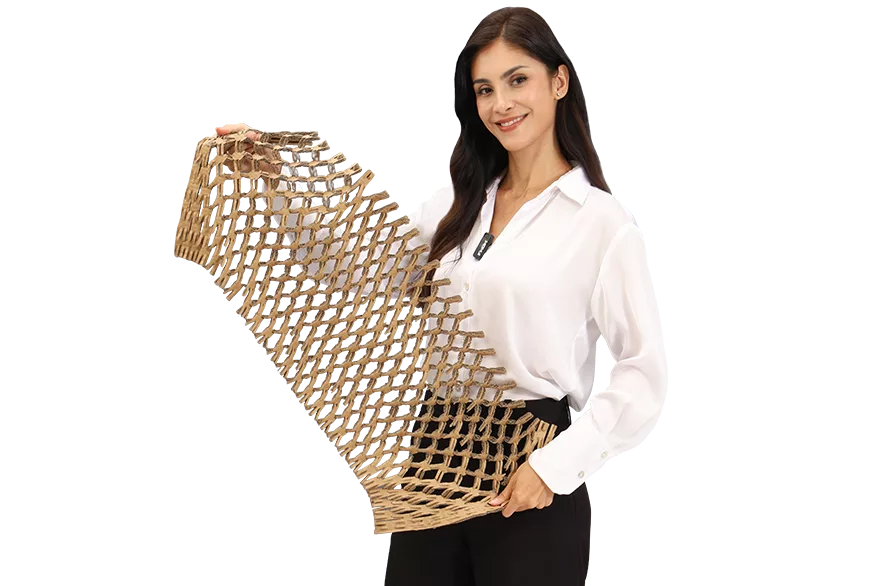
A cardboard shredder is packaging equipment that turns used corrugated cardboard into flexible, protective packaging material. Businesses no longer have to treat boxes as waste to discard or send away — they can turn them on site into filler, packaging material, or cushioning material, used directly for shipping.
It is different from an office paper shredder that handles thin printing paper. Cardboard shredders are designed specifically for the structure and strength of corrugated cardboard, usually using reinforced cutting shafts, hardened blades, and high-torque motors to perforate, cut, or expand cardboard without jamming or overheating. The processed cardboard keeps its structural strength while being flexible enough for packaging.
For businesses that continuously use boxes, a cardboard shredder is a very practical approach: reuse the material already on site and turn packaging waste into a usable resource instead of an operational burden.
Why the Packaging Area Needs a Cardboard Shredder
Cardboard is one of the most used materials in logistics, warehousing, and e-commerce operations. Boxes are of course important for transport and storage, but managing used cardboard has always been a hassle. Disposal fees, labor costs, stacking space, and reliance on external recycling services all slowly push up daily operating costs.
Waste cardboard disposal is already a hard cost in many countries. Many countries prohibit discarding waste cardboard at will, with heavy fines for improper disposal. Businesses must either pay for on-site recycling pickup or deliver it to designated collection points themselves, bearing shipping and labor costs with no corresponding payment. The more boxes, the bigger this hidden expense. Industrial shredders handle large daily volumes, so the effect of directly saving this money that used to flow out is even more obvious.
Plastic bans are spreading worldwide. On August 12, 2026, the core provisions of the EU Packaging and Packaging Waste Regulation (PPWR, Regulation (EU) 2025/40) fully entered into force. The old Packaging and Packaging Waste Directive (94/62/EC), in use for nearly 30 years with inconsistent enforcement across countries, was officially repealed. The EU has fully banned plastic products, and more and more countries are adopting and implementing plastic bans. For businesses still using large amounts of plastic filler, switching to paper-based cushioning is no longer a question of whether, but when.
Cardboard shredders let businesses process this cardboard directly in-house. Many boxes that used to be flattened, stacked, and waited for pickup can now be reused as packaging material right away. Less waste needs to go out, and things become simpler.
Cost-wise, this approach offsets part of the cost of buying paper filler, air cushions, or foam. Businesses do not need to repeatedly buy packaging consumables, but produce on demand from existing cardboard. Over time, both packaging costs and waste disposal costs come down.
Operational efficiency is also key. The machine sits near the packing table, so operators can grab filler as needed without interrupting the workflow, waiting for materials to arrive, or setting aside space for bulky consumables. The whole packaging flow runs smoother.
Environmental benefits come along too. Cardboard is reused internally, waste generation is reduced, and it aligns better with sustainable packaging — without major changes to existing operations. For many businesses, a corrugated cardboard shredder is a balanced solution that considers cost, efficiency, and material utilization.
How a Corrugated Cardboard Shredder Works
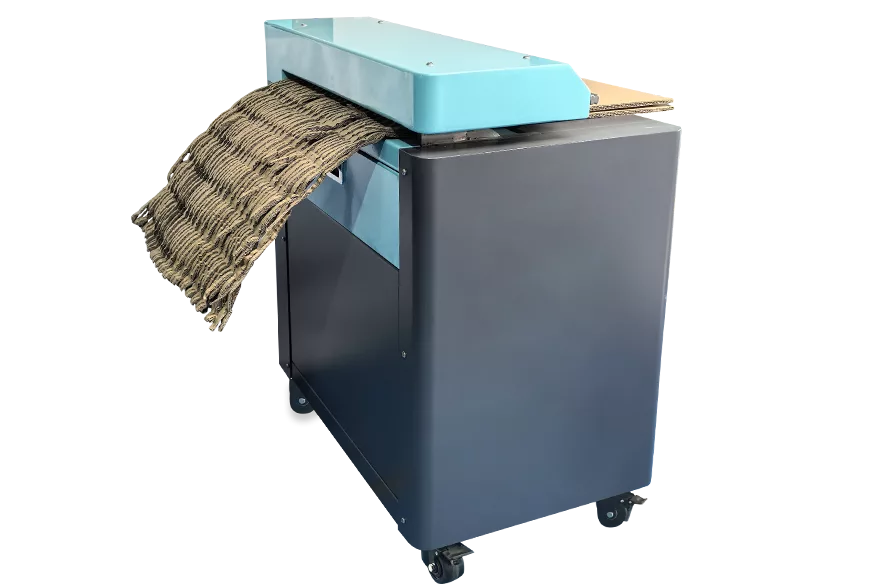
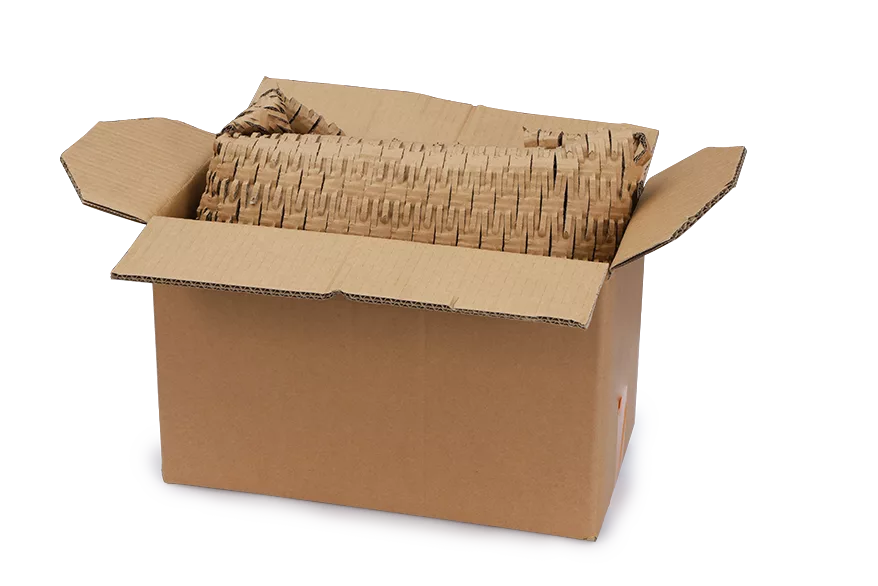
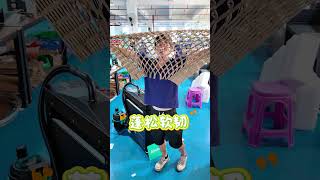
Inside the machine, rotating shafts fitted with blades or cutting elements contact the cardboard. The cutting method determines the output form: one way is to expand and stretch the cardboard through the shredder into a 3D honeycomb shape, absorbing impact and filling voids in the box; the other is to cut directly into strips, output clean, compact, and uniform in width.
The processed cardboard comes out ready to use, with no secondary handling. The whole process is continuous mechanical work, with packaging material generated on demand, matching the packing rhythm — no need to pre-produce a large stockpile.
Safety is considered too. Emergency stop buttons, enclosed cutting areas, and controlled feeding mechanisms let the machine run stably and safely even in a busy packing environment.
The Cutter Shaft: The Core Component of an Industrial Shredder
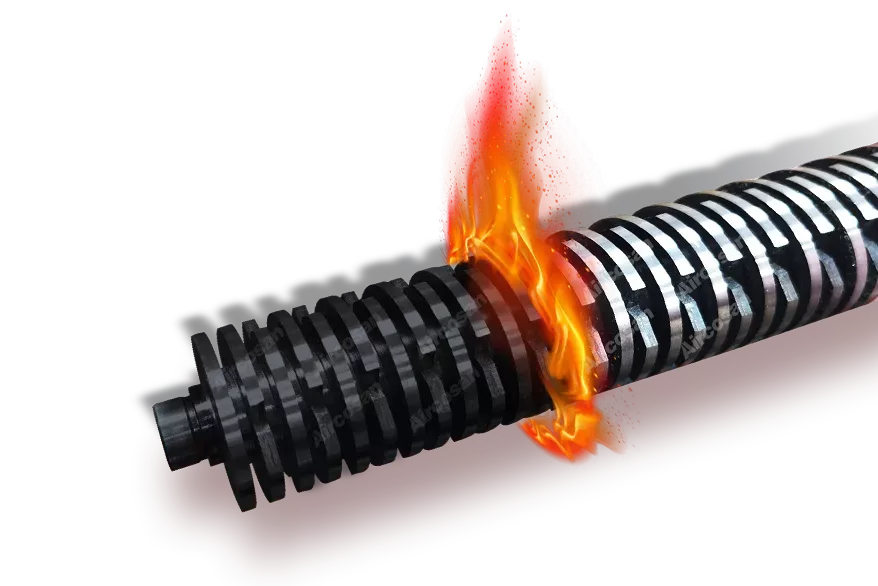
Industrial shredders process large amounts of cardboard daily, and the cutter shaft bears a much higher load than desktop models. When buying equipment, price and appearance are often noticed first, but what really determines how thick it can cut, how wide it can cut, and how long it lasts is the cutter shaft. If the shaft performance is insufficient, even a low-priced machine has no real value — thick cardboard breaks the blade, deforms the shaft, and causes frequent downtime for repairs, making the overall cost higher.
Aircosan cutter shafts are not the common thin small blades on the market, but large one-piece shafts. From structural design and material selection to machining, every step follows standards for long-term stable operation.
Maximum cutting width up to 1200mm, which basically no peer on the market can achieve. Aircosan industrial models start at 550mm, going up to 900mm P90 and 1200mm P120. The wider the shaft, the more complex the forces and the easier it deforms; above 500mm is itself a technical barrier, and reaching 1200mm is a comprehensive test of machining precision, material performance, and process control. Currently basically no peer on the market can produce equipment this wide. Being able to make it is itself direct proof of Aircosan's hard strength and long-term focus on this category.
At the same 550mm, Aircosan cutter shafts are larger and thicker. Aircosan cutter shafts use a more difficult widened and thickened design, with better materials than peers, costing about 30% more. At the same 550mm cutting width, placing two machines side by side, the difference in shaft thickness and volume is obvious. A more intuitive way to judge is the overall machine weight — larger and thicker shafts make the machine noticeably heavier, and you can feel how solid the materials are just by lifting it. Some suppliers on the market use thinner shafts that deform or even break when cutting above 7mm.
Material is 40Cr, not ordinary 45#. Most peers on the market use 45# steel cutter shafts. Both 45# and 40Cr lack sufficient hardness on their own and need quenching and hardening, but 40Cr has lower brittleness and stronger impact resistance, with machining time more than twice that of 45#. Machining costs go up, but in return, blade breakage is thoroughly solved. For businesses cutting large amounts of cardboard every day, stability comes before everything.
Designed for 5+ years of service life, through multiple complex processes. Aircosan cutter shafts are designed for a service life of over 5 years, going through lathe machining, high-frequency treatment, quenching, blackening, and multiple other processes. Each process directly affects the shaft's hardness, toughness, and wear resistance. Process complexity brings higher costs, but the shaft is more durable, the machine runs more stably long term, and maintenance and downtime costs are lower.
Branded motor + overload protection. The machine uses a branded motor with ample power, so thick and hard cardboard feeds smoothly without repeated jamming at the feed inlet due to insufficient power. It also has overload protection: when a jam occurs, the machine automatically cuts power and stops, protecting the motor. Many machines on the market lack overload protection; when jammed, the cutter shaft stops but the motor keeps running, risking motor burnout or even overheating.
Different Types of Cardboard Shredders
Cardboard shredders come in different configurations for different operational needs and outputs.
Desktop or tabletop models mainly target small packing stations, e-commerce studios, and low-output environments. Small, easy to install, and usually running on standard power. Businesses with limited daily box counts that want to reduce waste and packaging costs will find these suitable.
Heavy-duty models are built for higher throughput. Wider feed inlet, stronger cutting system, and continuous processing of larger, thicker boxes. Warehouses, logistics centers, and manufacturing plants with stable, predictable packaging volumes usually use these. Aircosan industrial models can reach cutter shaft lengths up to 1200mm, suitable for large boxes and high-throughput scenarios.
Some models are optimized for specific output, such as strips for wrapping or mesh for filling voids. Others offer adjustable settings, letting operators adjust output for different packaging requirements.
How to choose specifically depends on how many boxes you handle daily, how much space you have, and how you plan to use the output material.
How to Choose Each Model: By Cutting Thickness, Speed, and Working Method
Aircosan's industrial shredders come in multiple models, each with different emphasis on cutting width, cutting thickness, speed, and function. Below is a clear explanation by actual use scenario.
P50: fastest cutting speed, 18 m/min; cutting thickness within a single sheet of 15mm. A single sheet of 7-layer cardboard on the market is generally within 9mm, and P50 cuts it easily. If you mostly cut single sheets and handle large amounts daily, P50 is the first choice.
P50-3: same configuration as P50, with the difference that it can shred 550mm cardboard into three small pieces. Better suited for small item wrapping and small box applications. The corresponding width of each piece and the number of cuts can be customized to your requirements. This cutting function can also be widely applied to customization of all Aircosan shredder series.
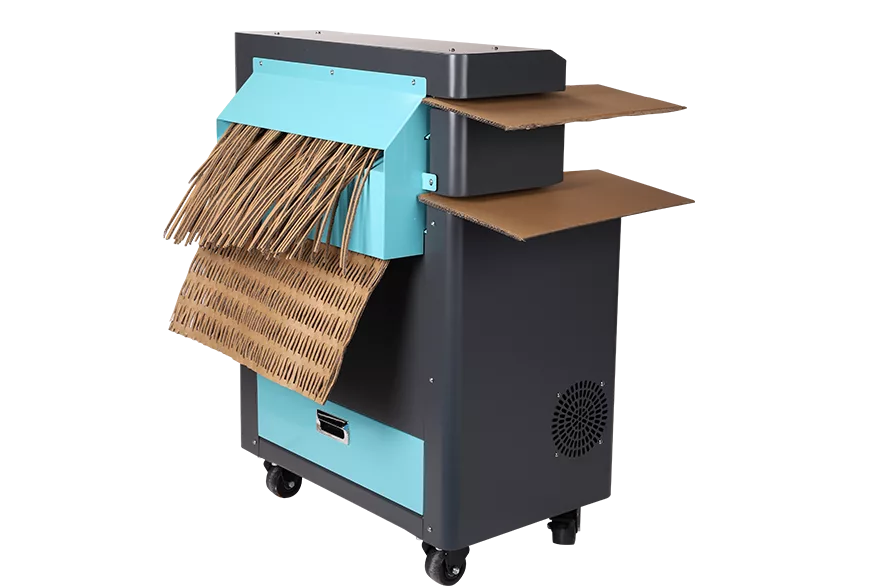
P50-X: cutting thickness within a single sheet of 15mm, cutting speed 12 m/min, supporting variable frequency speed control. It uses 2 sets of cutter shafts, and can simultaneously shred honeycomb mesh and strips. Mesh is used to wrap products, strips can fill voids, and one machine covers two packaging needs, greatly improving packaging efficiency.
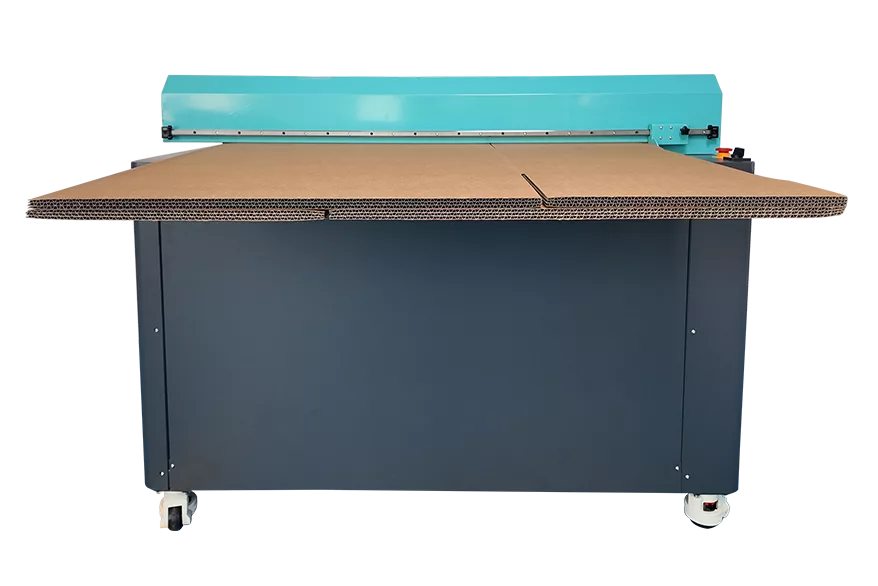
P80: cutting thickness within 20mm, cutting speed 15 m/min. A 7-layer box on the market is generally within 20mm total thickness, and P80 does not need to separate into single sheets — the whole box can be shredded directly. Suitable for users who often shred whole boxes, greatly saving labor and making work more efficient.
P90, P120: cutting thickness both within 20mm, also without separating the box into single sheets, 2 sheets of cardboard can be shredded directly. Larger cutter shaft design, cutting speed 12 m/min, supporting variable frequency speed control. Suitable for users who often shred oversized boxes. Note that these two models only support three-phase 380V power, not single-phase connection. Other series models all support single-phase connection.
To sum up: single sheets, high volume — choose P50; need to cut cardboard into small pieces — choose P50-3; want both mesh and strips — choose P50-X; whole box direct shredding, no separating — choose P80; oversized boxes, 2 sheets direct shredding — choose P90 or P120 (note: only 380V three-phase).
Cardboard Compatibility and Output Uses
Not all cardboard is the same, and compatibility is an unavoidable issue when using a shredder. Most machines can handle standard corrugated cardboard, including single-wall and part of double-wall. Cardboard thickness, material, and moisture content all affect machine performance.
Clean, dry cardboard works best, expanding evenly and keeping structural strength after cutting or perforating. Heavily contaminated, damp, or laminated cardboard is not very suitable for processing.
The processed material has wide uses. Mesh cardboard is generally used as filler to prevent items from shifting during transport; strip cardboard can wrap products or be placed between items as separation. Some models support both outputs — cut strips when wrapping is needed, produce mesh when filling gaps is needed, one machine covers two common needs and is more flexible for workstations with more varied packaging content. Some models also support cutting one sheet of cardboard into three specified-size pieces at once, very practical in scenarios that need fixed material distribution and portioned use, with uniform output specs and easier control of subsequent packaging.
How to Choose the Right Industrial Cardboard Shredder
The first step in choosing a machine is to understand your operational needs. One of the most important factors is daily box processing volume. Small-scale operations may only need a small machine, while high-volume production environments need stronger, industrial models designed for continuous use.
Feed width and maximum cardboard thickness also need to be considered. The shredder must handle the largest common box in your operation without repeated pre-cutting or manual preparation.
Industrial models start at 550mm cutting width, going up to 90cm and 120cm. 55cm suits workstations with limited space and smaller box specs; 90cm covers most medium boxes; 120cm is prepared for scenarios that often handle large boxes and pursue high throughput. Choose different widths for different scenarios, no need to blindly go big. For cutting thickness, the current maximum supports up to 20mm, and thick cardboard and multi-layer corrugated can feed directly without extra handling.
Voltage should also be confirmed in advance. P50, P50-X, P50-3, P80 support single-phase 110V or 220V, and also three-phase 380V; P90 and P120 only support 380V three-phase. Factory power conditions differ, so just check during model selection.
Workspace layout matters too. Desktop machines can easily sit next to the packing table, while large equipment needs dedicated floor space. Noise level, power requirements, and maintenance convenience also affect the final choice.
Finally, consider how you plan to use the finished material. For mainly filling gaps, perforating and expanding may be more important; for mainly wrapping or separating, strip cutting may be preferred. Once needs are clear, the model is easy to decide.
Why Choose Aircosan
Choosing a shredder is not just choosing a piece of equipment, but choosing a supplier for long-term cooperation. Aircosan has been deeply engaged in sustainable packaging equipment for years, with a complete system from R&D to production to after-sales.
Source factory, quality under our own control. We have our own parts processing factory, controlling the quality of every machine part ourselves to ensure overall stability. Many sellers on the market only buy parts from outside and assemble them, with mixed part sources, uneven quality, and no guarantee of machine stability.
Low MOQ customization, low barrier. Supports logo customization from 1 piece, and color customization from 10 pieces. For distributors and brand owners who want to build their own brand without holding large inventory, this is very practical.
Fast after-sales response, direct contact with engineers. For any problem, the online after-sales team responds within 12 hours and can connect you directly with our engineers. No need to go through salespeople relaying messages, so problems are solved more directly and quickly, reducing downtime.
Professional customer management system. We have a professional customer management system containing all your order information. If the salesperson does not reply in time, you can ask anyone in our company to help solve the problem — you will never be unable to find someone.
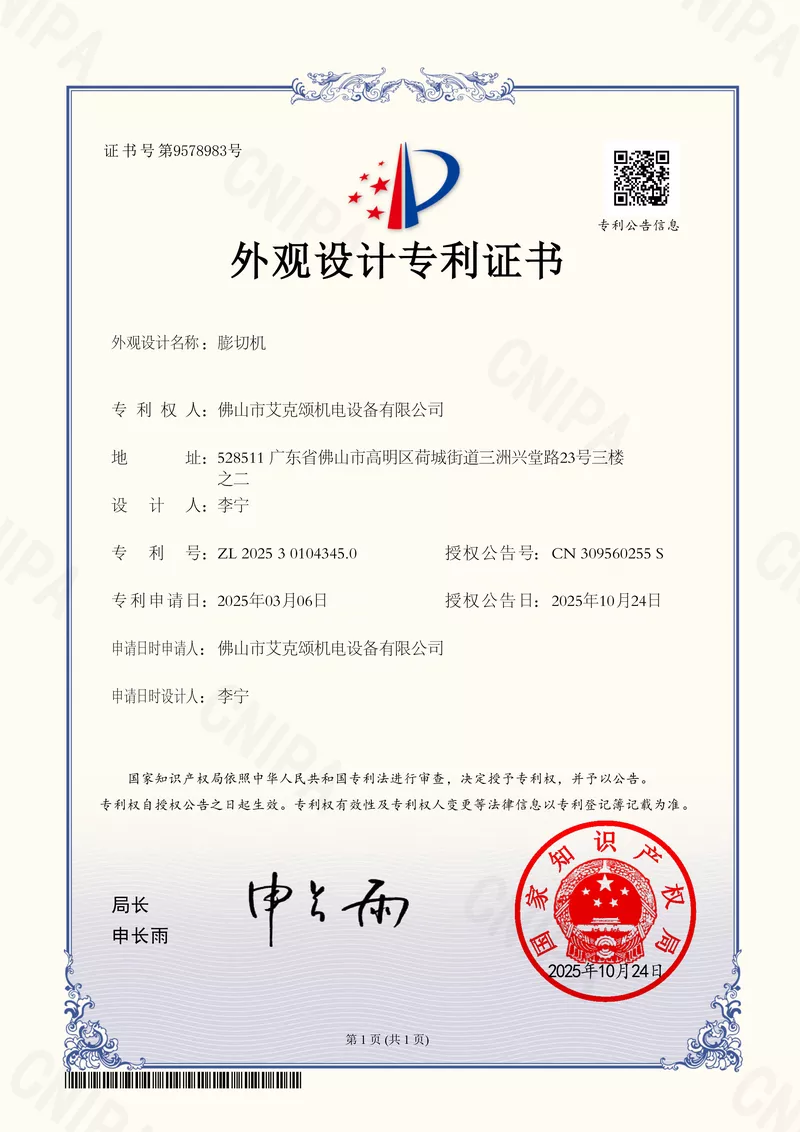
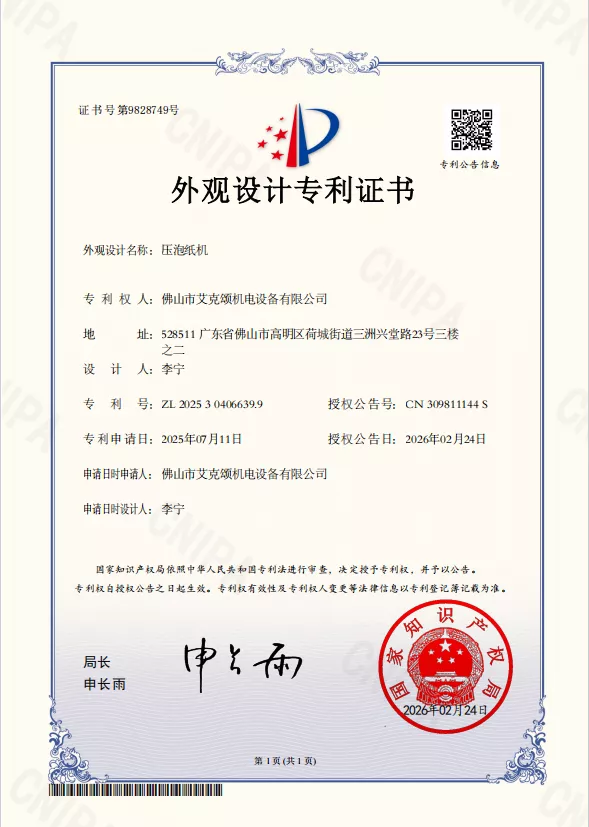
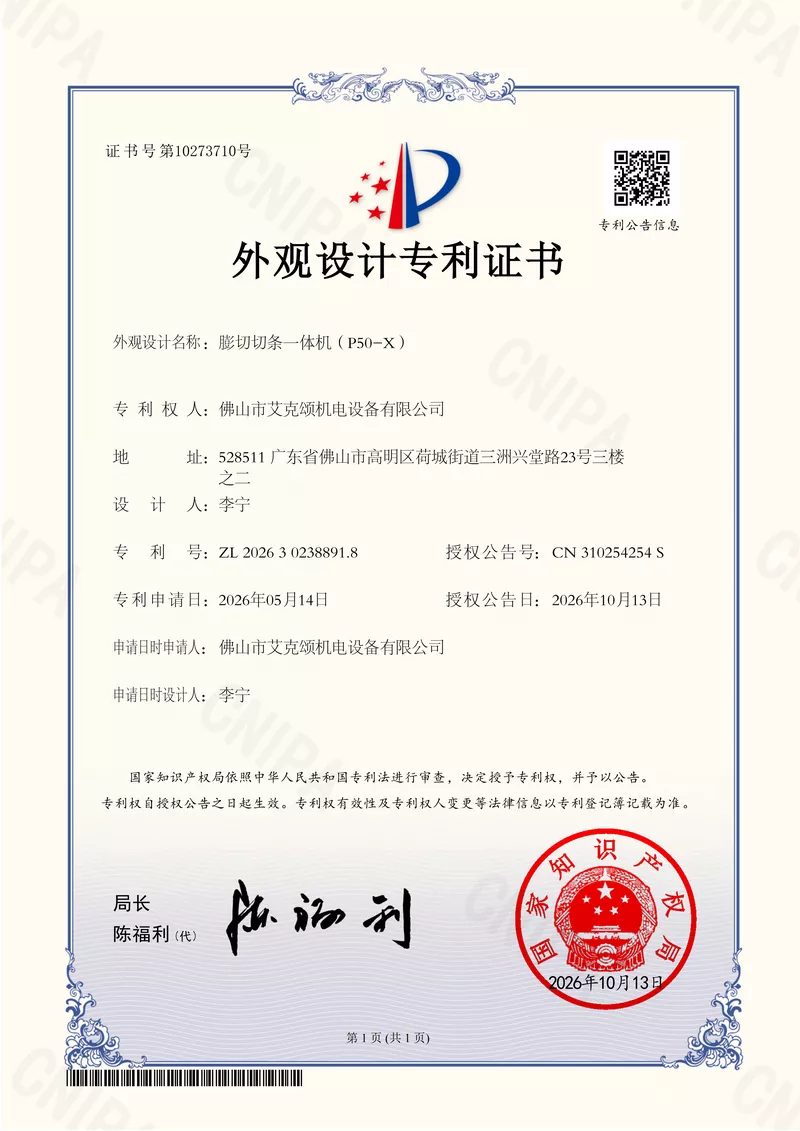
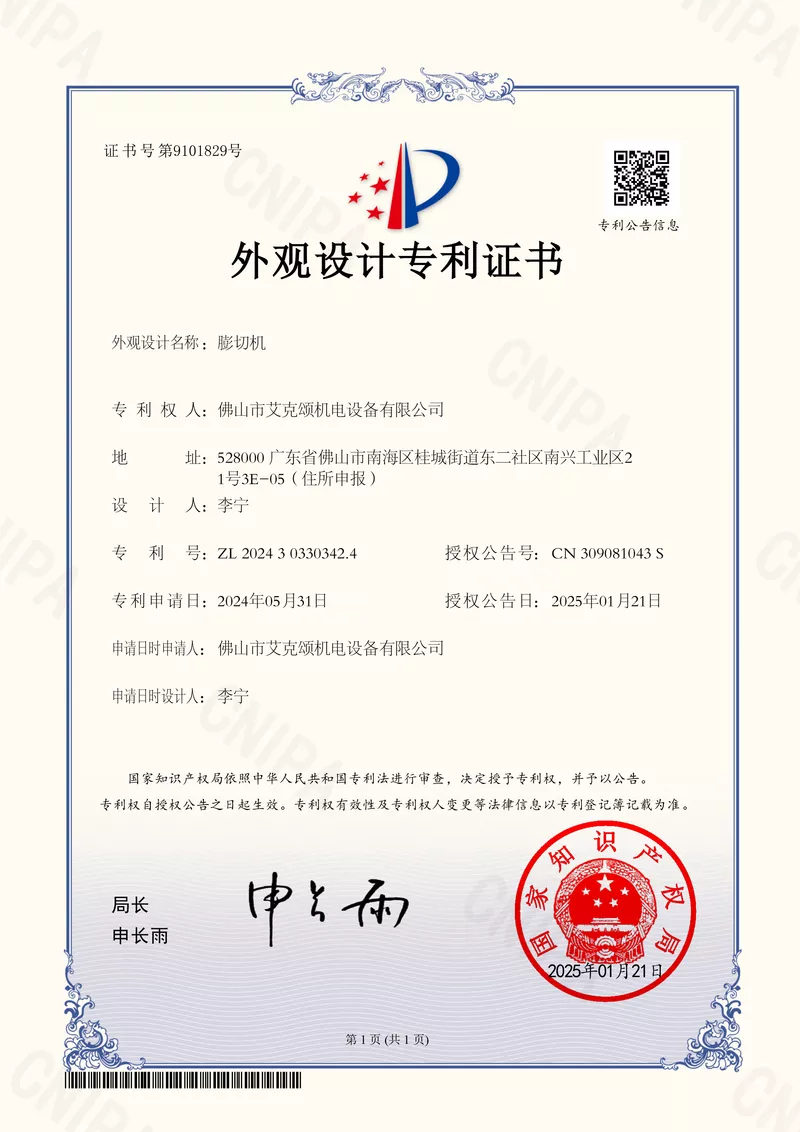
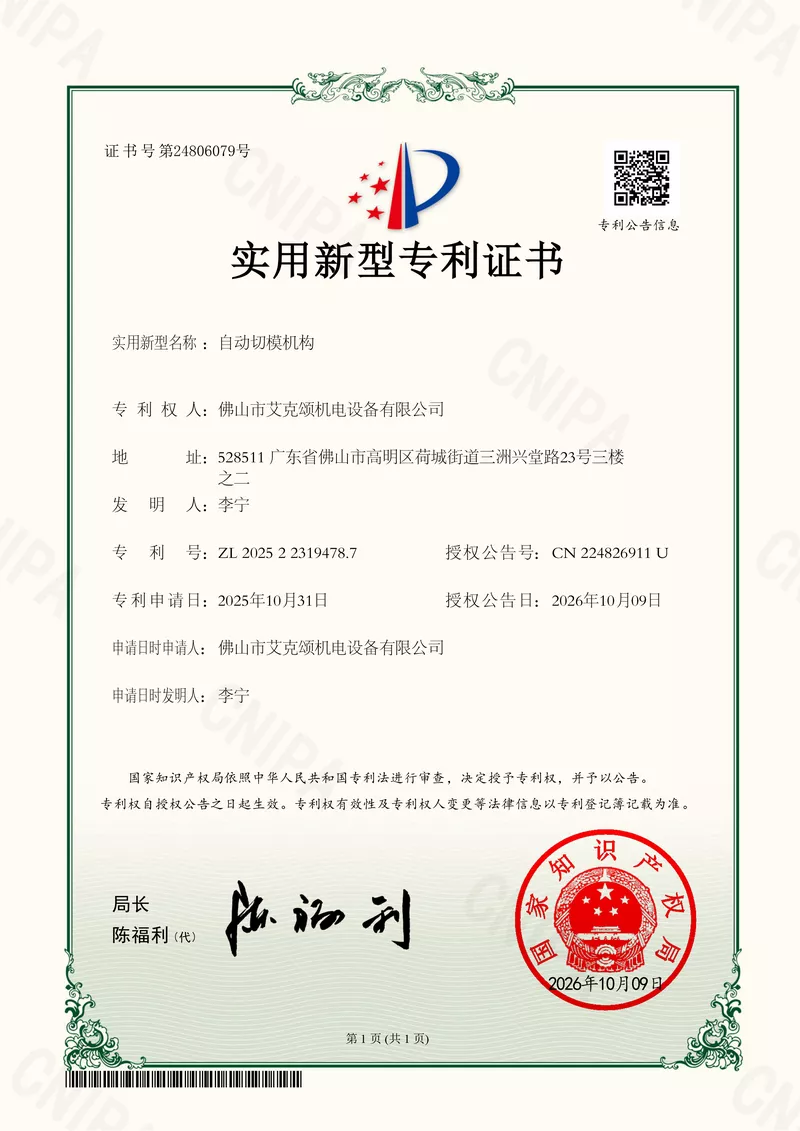
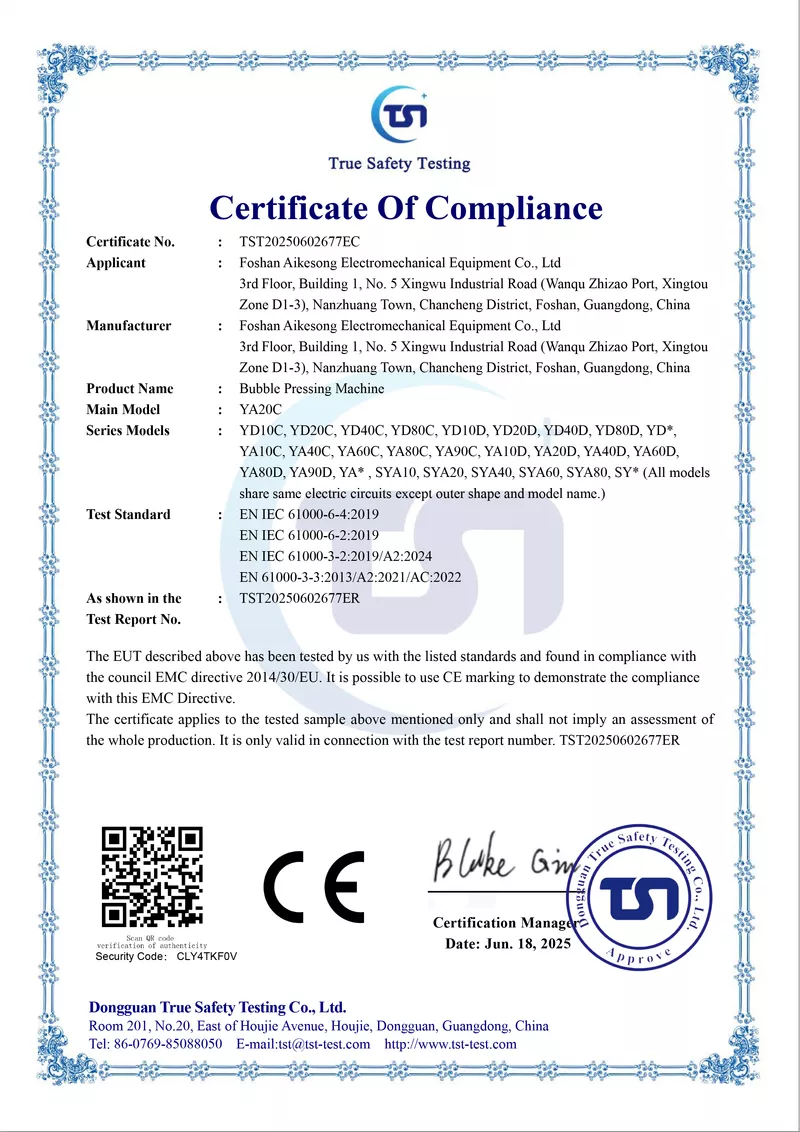
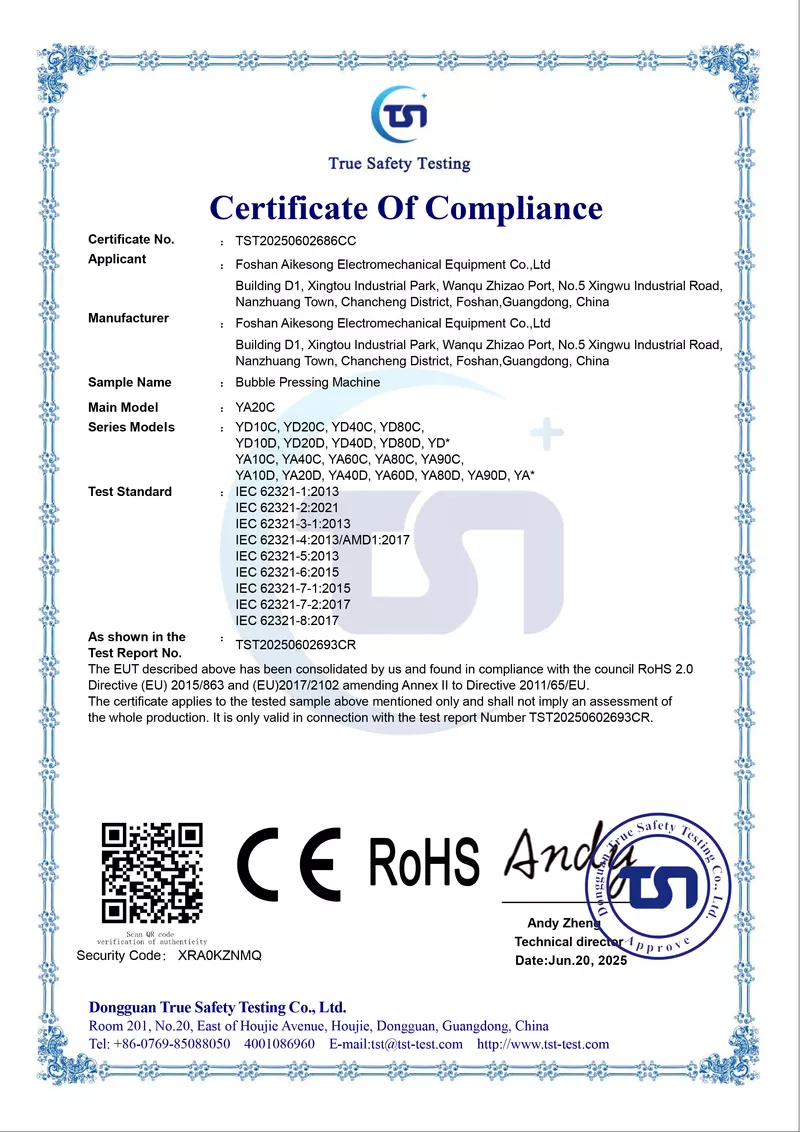
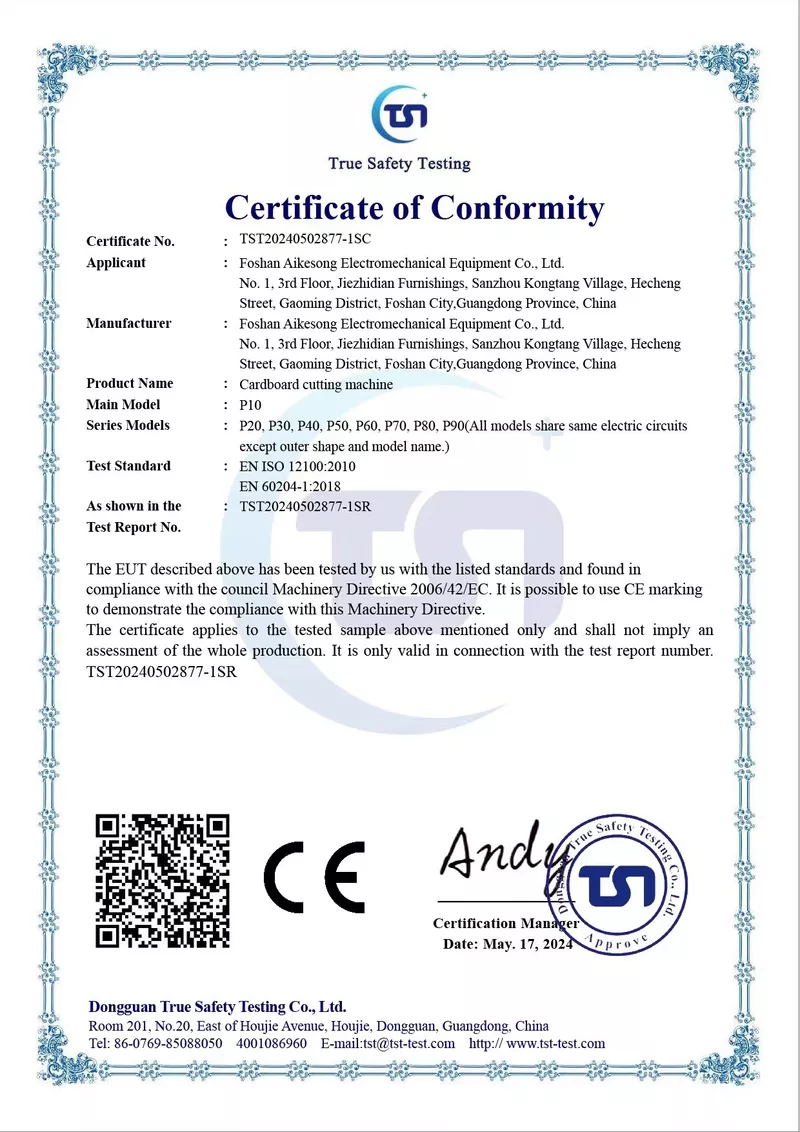
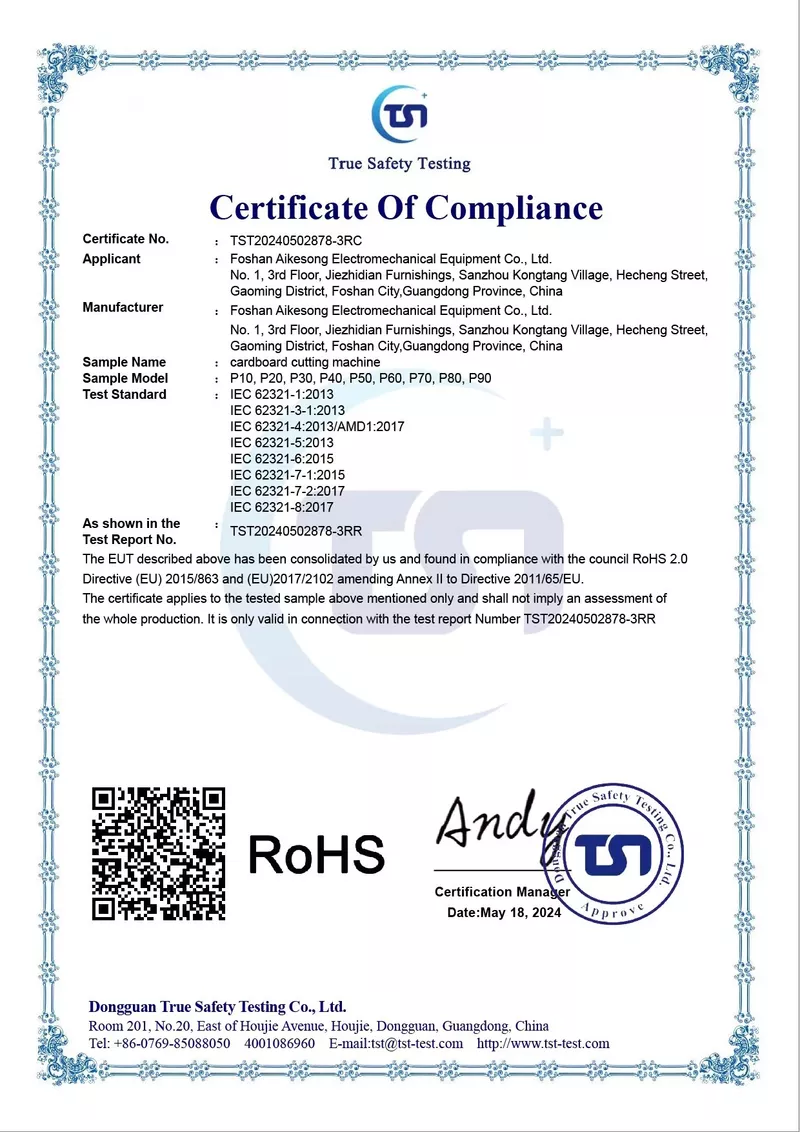
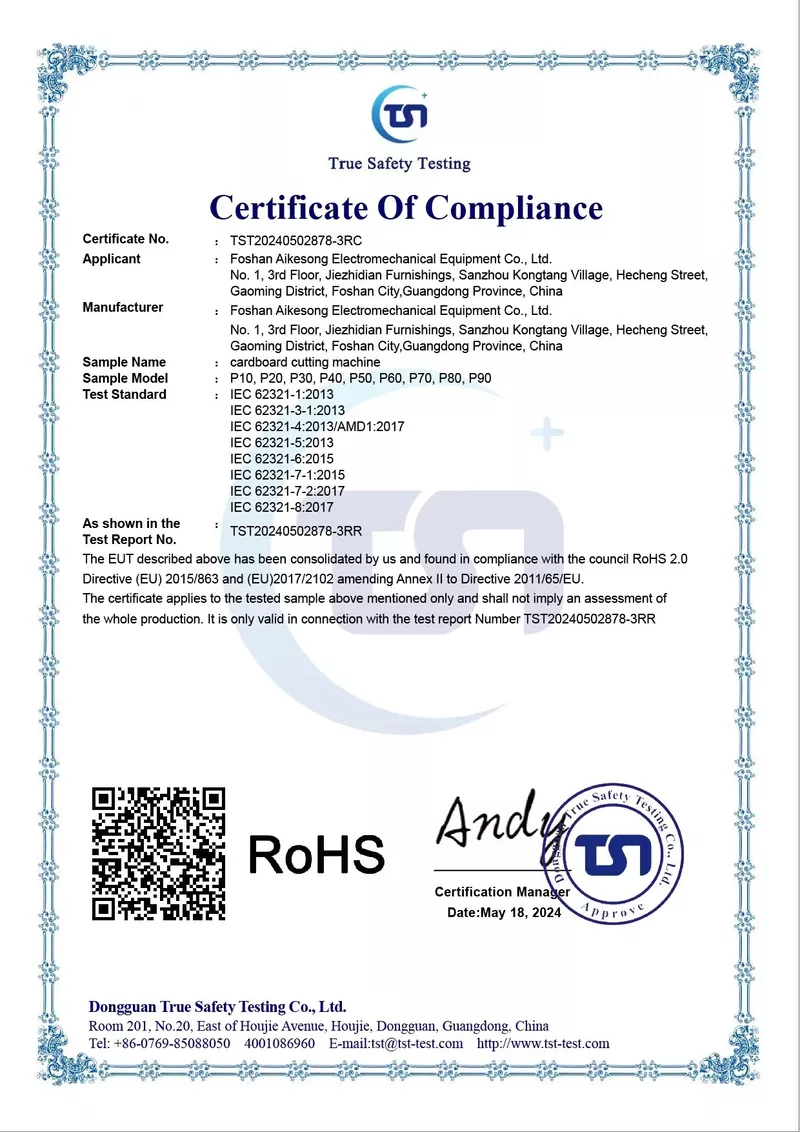
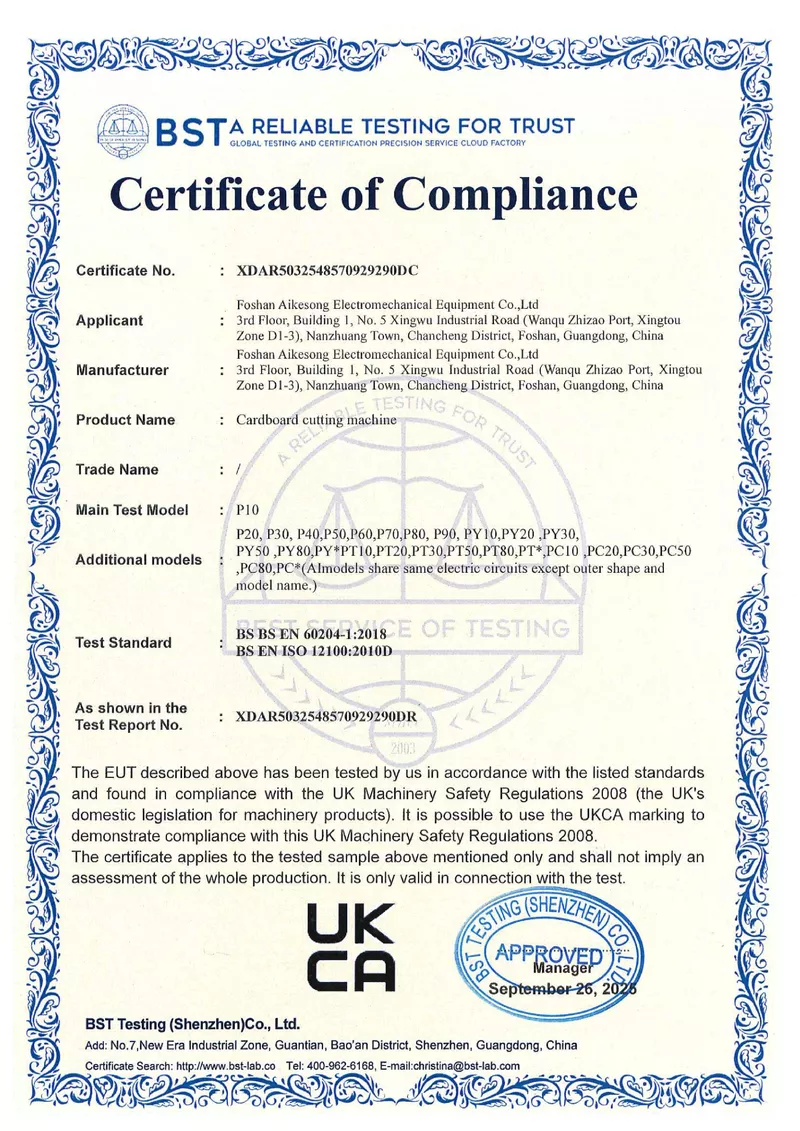
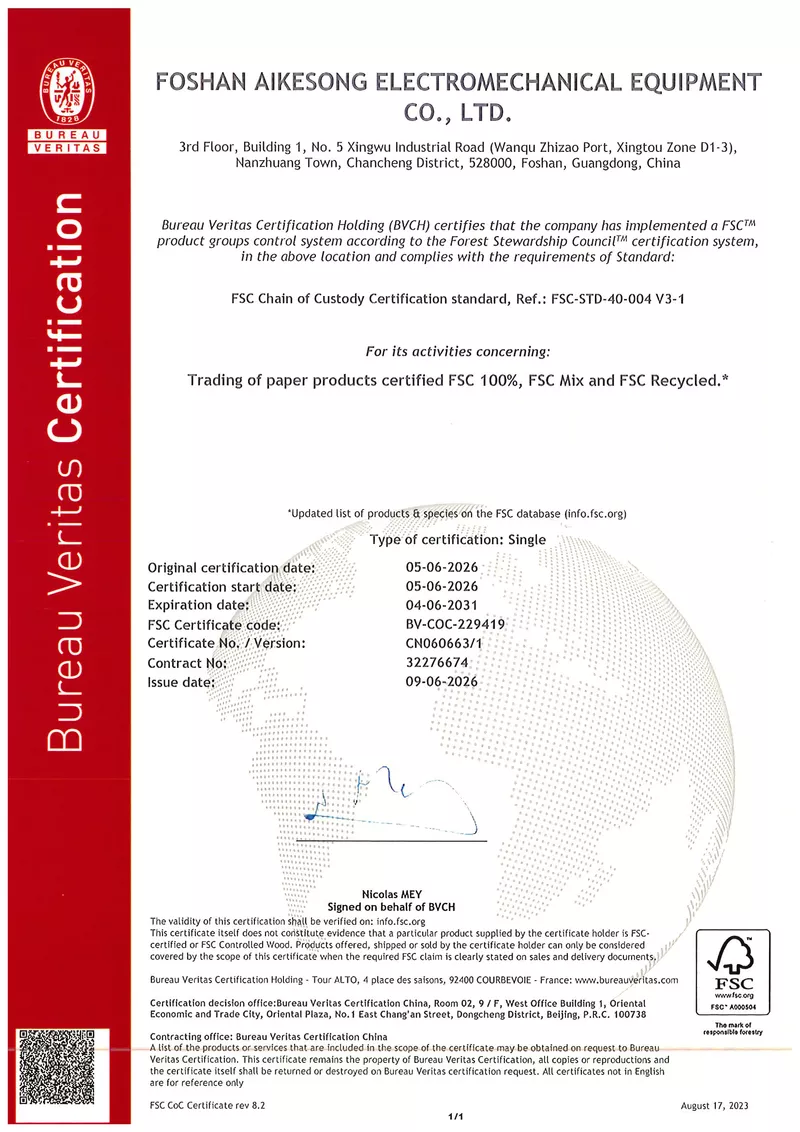
Complete export certifications, with an exclusive EU patent. Products pass CE, ROHS, and UKCA certifications, meeting EU market certification requirements, and hold an exclusive EU patent. For customers exporting to the European market, these certifications and patents are real market access advantages.
Choosing Aircosan, you may not get the cheapest price on the market, but you will get more cost-effective quality, more cooperative supply, and faster after-sales response.
FAQ
What types of cardboard can be shredded?
Can an ordinary paper shredder shred cardboard?
What materials must never be shredded?
What are the uses of shredded cardboard?
What functions should businesses consider when choosing a cardboard shredder?
Are there regulatory or compliance considerations?
Does a cardboard shredder need special installation?
How much space does operating a cardboard shredder need?
Can shredded cardboard fully replace purchased filler material?
Are output size or structure adjustable?
What maintenance is needed for daily use?
Can the machine handle printed or inked boxes?
How noisy is a cardboard shredder during operation?
Is a cardboard shredder suitable for continuous operation?
Can you help recommend a suitable model before purchase?
What is special about the cutter shaft?
How wide can the cutter shaft be made?
Does the machine have safety protection?
What certifications does the product have?
Why choose Aircosan?
Same 550mm cutting width: how to choose P30, P50, P80?
What is the thinnest it can cut?
How to choose among P50, P50-3, P50-X, P80, P90, P120?
Which models support single-phase power?
Can the P50-3 cutting function be customized?
Waste cardboard disposal is troublesome. How can a shredder help?
What is the relationship between plastic bans and shredders?
Related Products


Related Videos
Certifications

Redefine Packaging Efficiency
Start with every machine